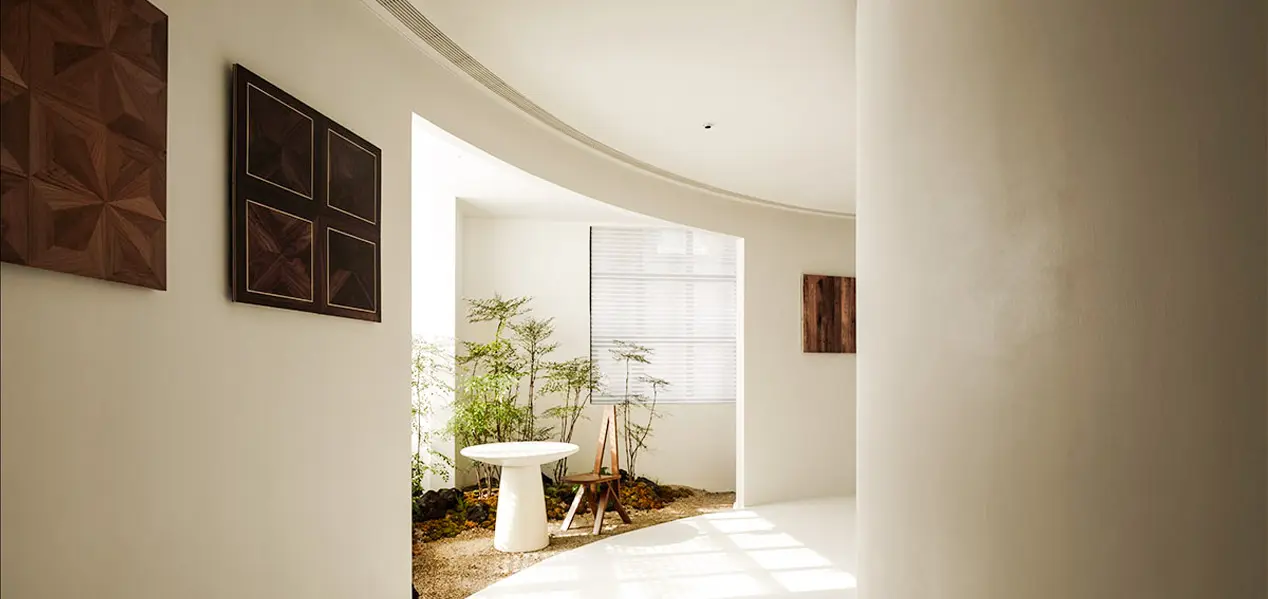
Wall Textures and Finishes
Every finish is hand-troweled on-site — no two walls ever look exactly the same. From silk-smooth to heavy industrial grain, the texture is set during application.

Feathered Silk
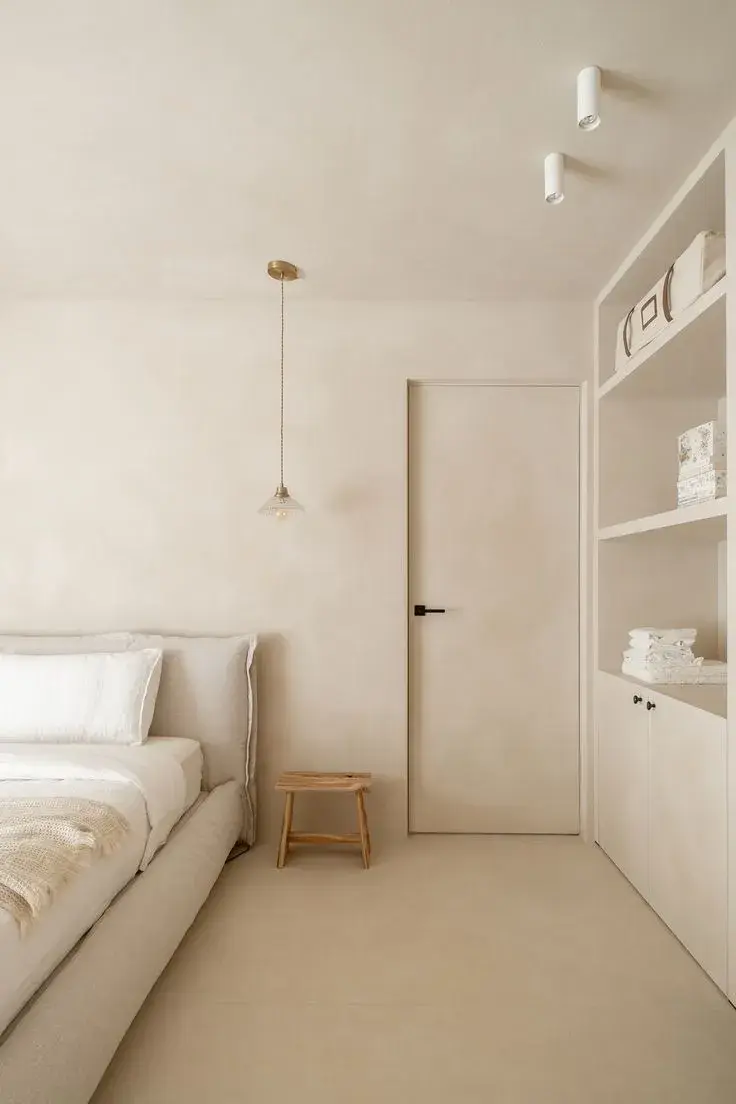
Ultra-smooth application with near-invisible trowel marks. The finish that shows colour depth and mineral character without surface texture. The most popular choice for residential living spaces and bedrooms.
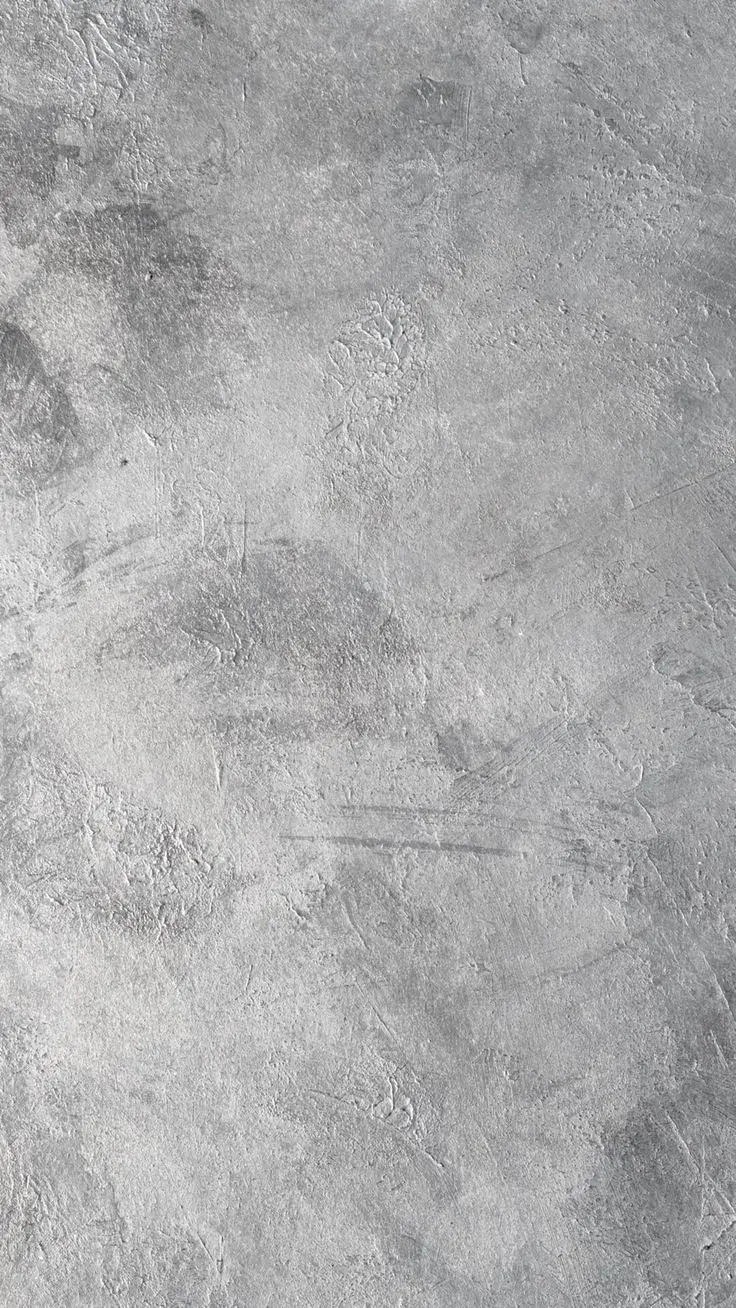
Brushed Mineral
Deliberate trowel marks left visible to create directional texture and shadow. Adds architectural depth to flat wall surfaces — the texture changes as the light moves through the day.
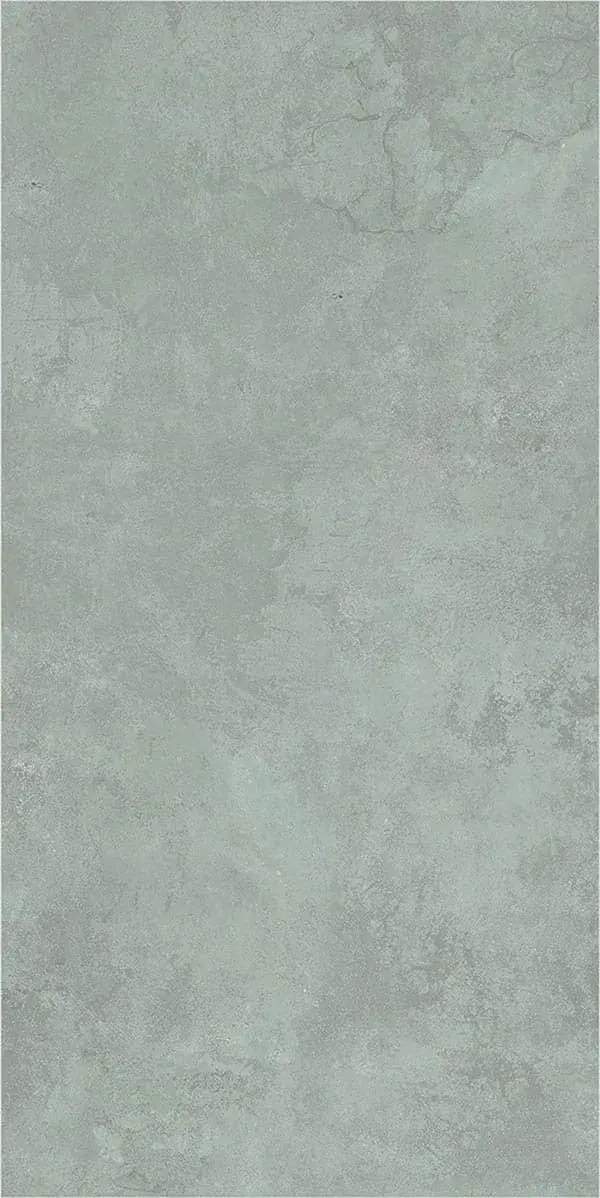
Sage Green Mineral
A muted, earthy sage tone with a natural mineral texture. An increasingly popular choice for feature walls and full-room applications where warmth and character matter more than neutrality.
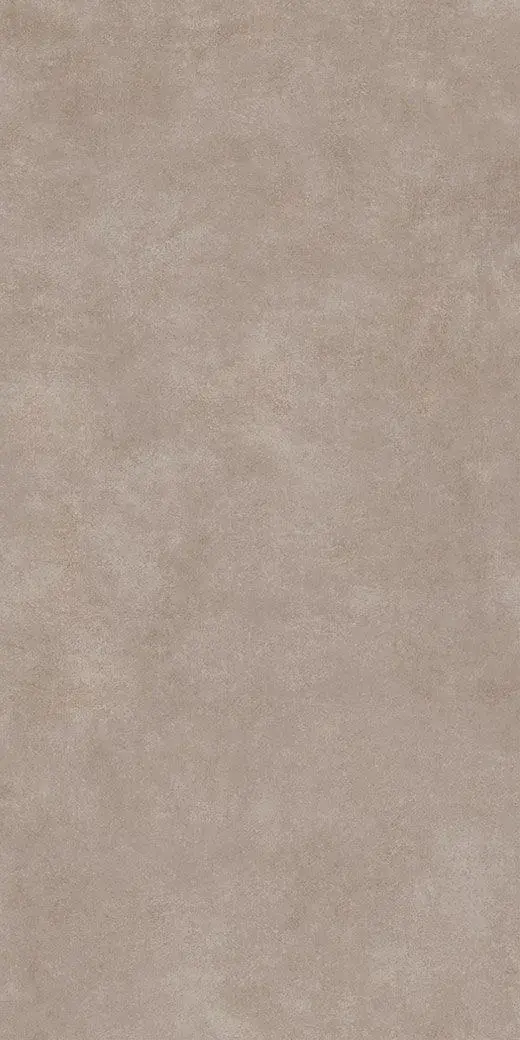
Warm Tan Mineral Skin
A warm ochre-tan with a uniform hand-applied texture. Works well in large rooms where a warm, earthy tone anchors the space without the coldness of grey.
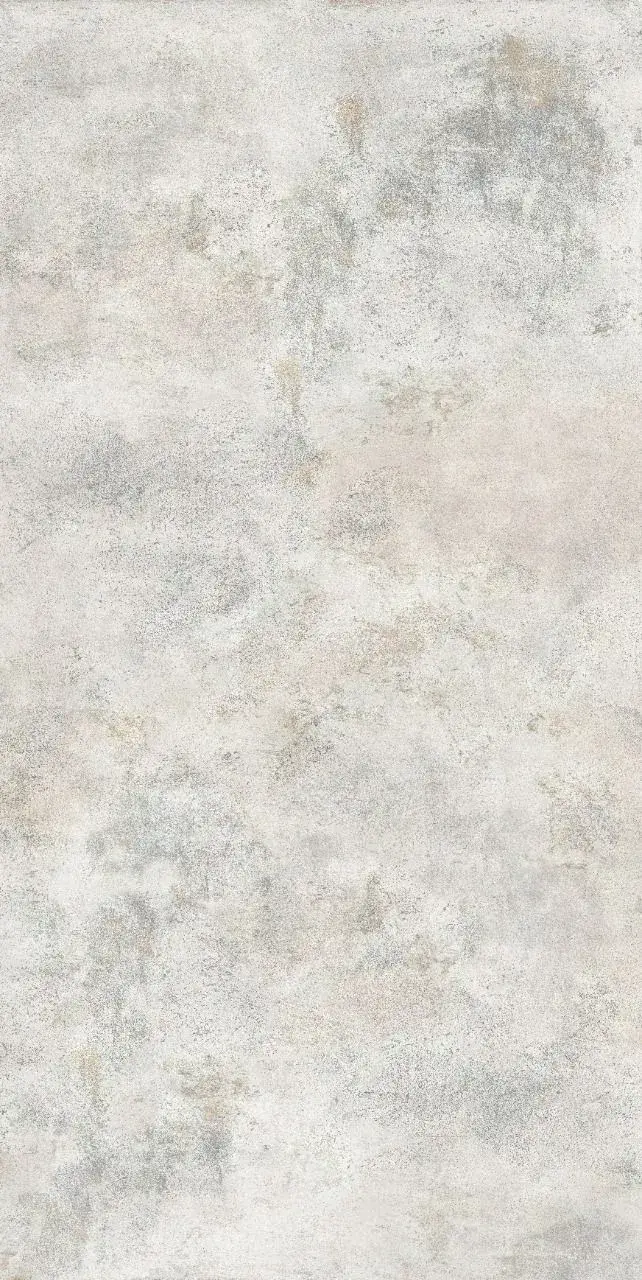
Distressed White
A deliberately aged white finish with visible variation in the trowel marks. Adds character and warmth to white surfaces — the finish that looks like the wall has been there for decades.
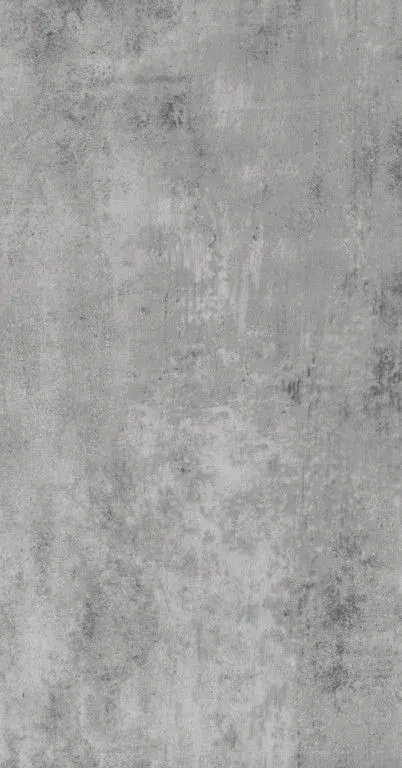
Industrial Concrete
Heavy grain with a raw, pared-back character. The closest microcement finish to raw cast concrete — used for commercial interiors, feature walls, and exterior facades where an industrial aesthetic is intentional.
Microcement Wall Projects
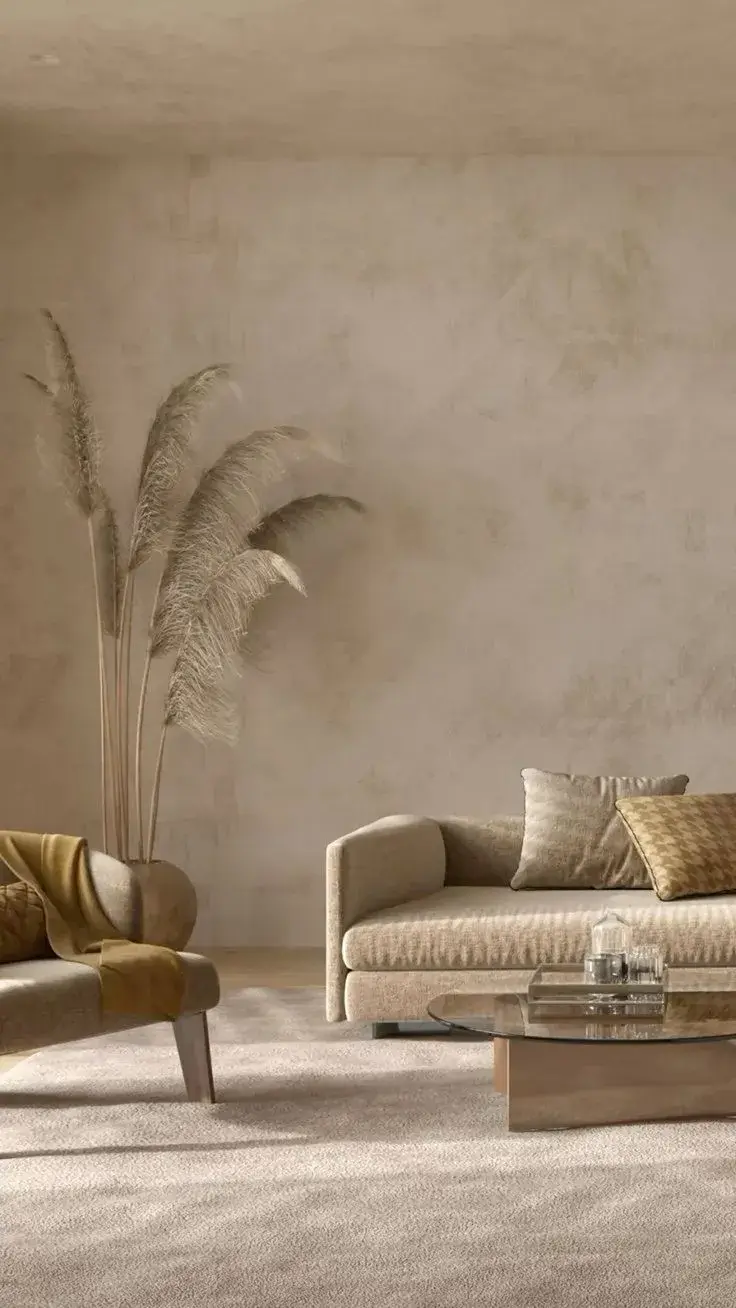
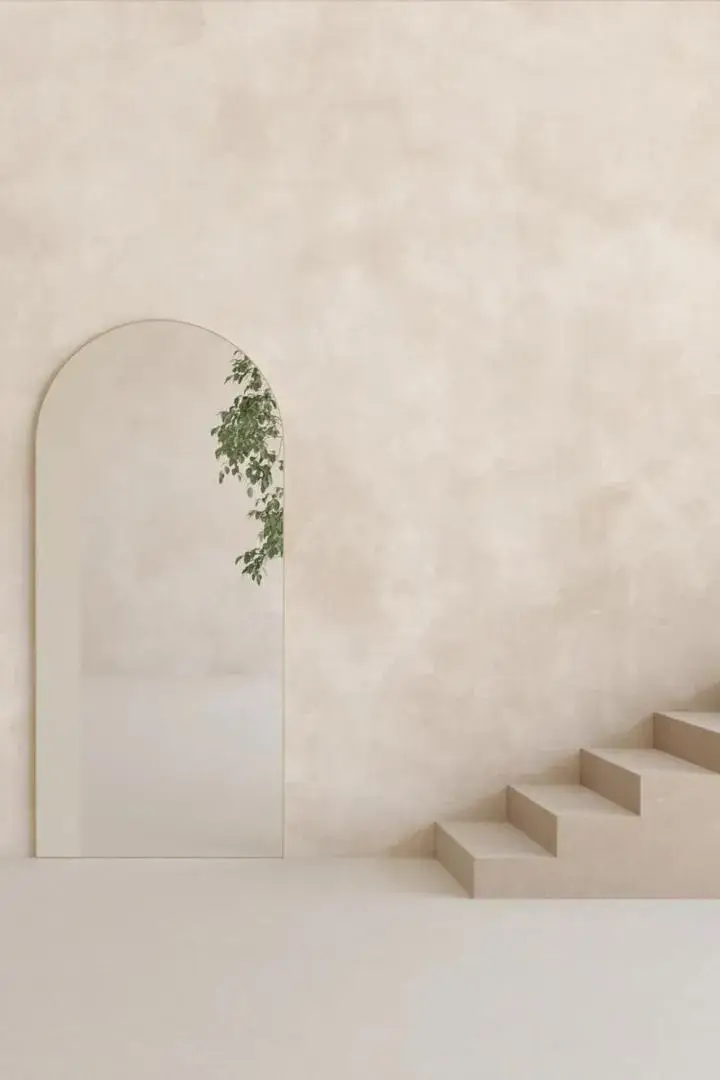
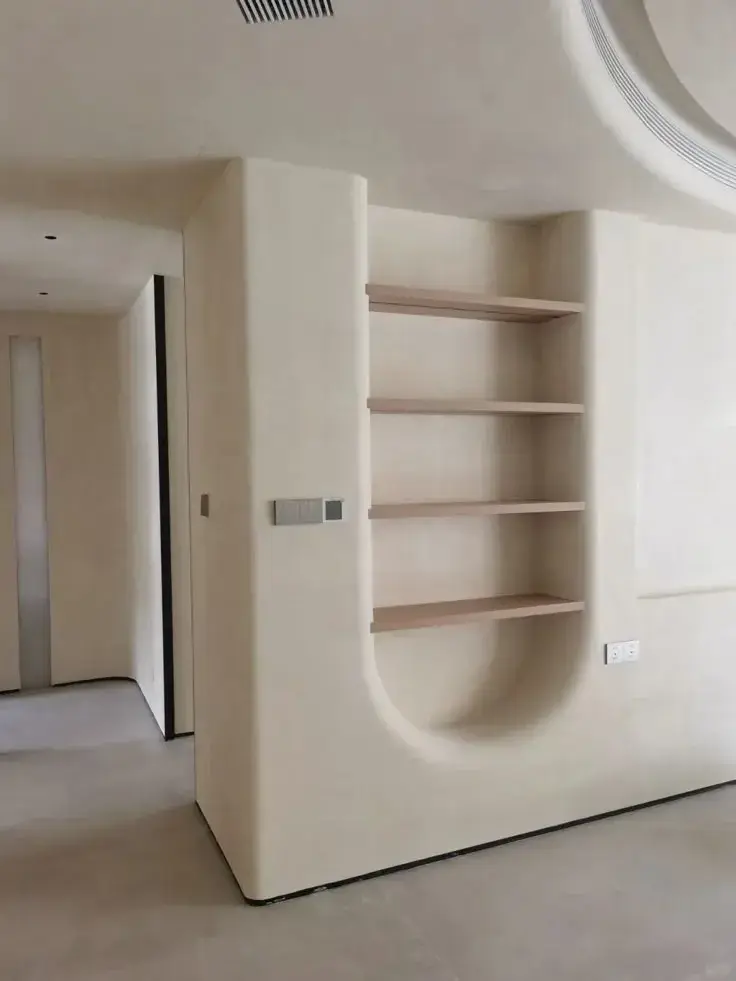
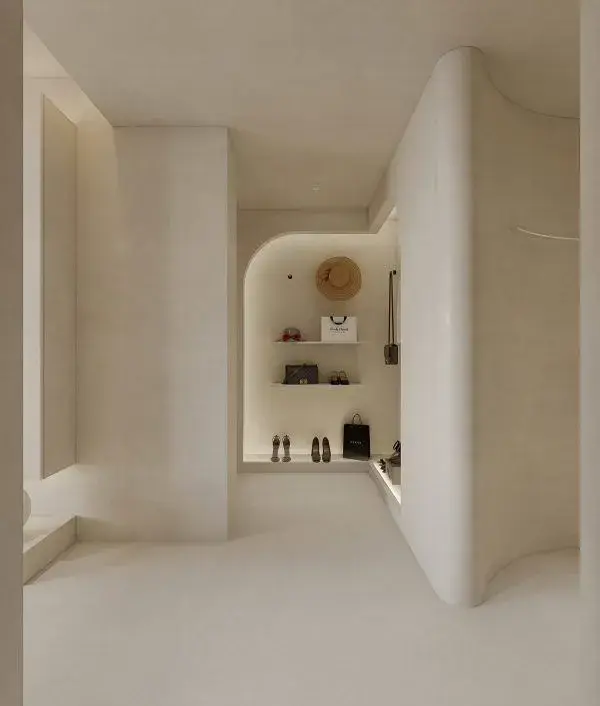
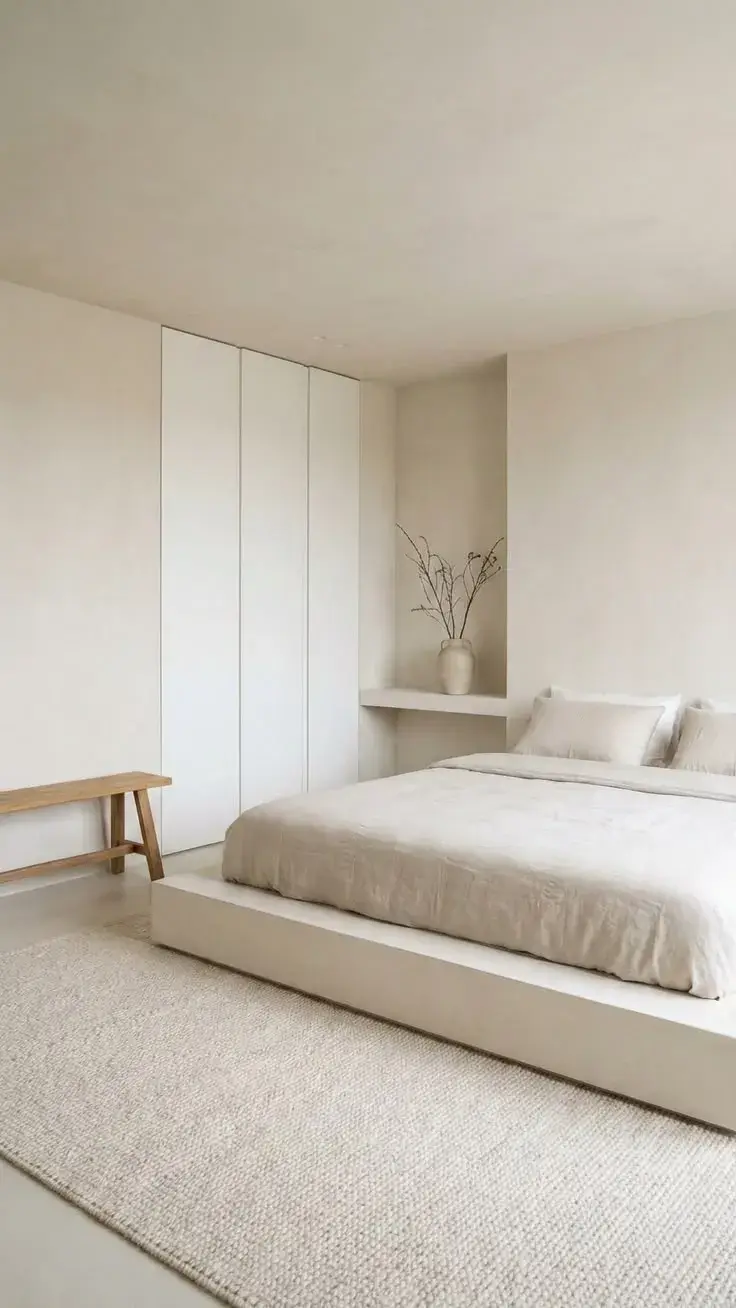
Feature walls, full-room applications, staircase walls, and architectural elements — each one hand-troweled on-site.
What Paint Cannot Do — and Microcement Can
Paint is a surface coating measured in microns. It has no structural thickness, no impact resistance, and no mineral depth. It yellows, fades, scuffs, and needs repainting every few years. On exterior surfaces, standard paint degrades faster under sustained UV and heat — chalking, cracking, and peeling within a few seasons.
Microcement is a different category of wall finish. At 3mm thick, it is a structural mineral skin — hard enough to resist the daily scuffs and impacts that mark paint permanently, and deep enough to carry real texture and colour variation that changes character as light moves across it. The pigment is mixed through the full depth of the material, not applied on top: if the surface ever gets marked, the same colour shows underneath.
On exterior facades, the sealer specification changes entirely. Interior sealers are not formulated for sustained UV exposure — they soften in extreme heat, yellow, and degrade within one summer. Exterior microcement uses an aliphatic polyurethane sealer that is UV-stable, heat-rated, and non-yellowing. This is not an upgrade. It is the minimum correct specification for any exterior wall surface, and using an interior sealer on a facade will fail.
Walls have a specific structural challenge that floors do not: building settlement and minor movement are transmitted horizontally along wall surfaces, producing hairline cracks in plaster and paint that reappear no matter how many times they are filled. Microcement handles this with an alkali-resistant fiberglass mesh embedded into the base coat — the mesh absorbs movement and prevents it from transmitting to the surface. Correctly installed, microcement walls do not develop the progressive cracking that is common in plastered and painted surfaces.
Where Microcement Works on Walls
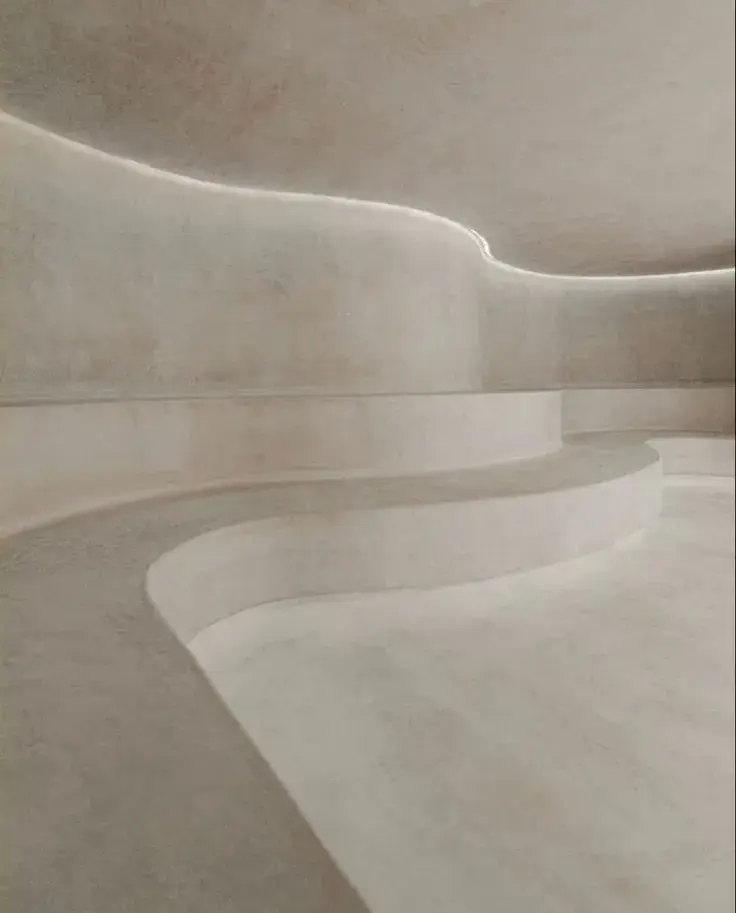
Interior Feature Walls
Single feature walls or full-room applications. The textured mineral finish creates depth and character that paint cannot replicate — and it does not need repainting.
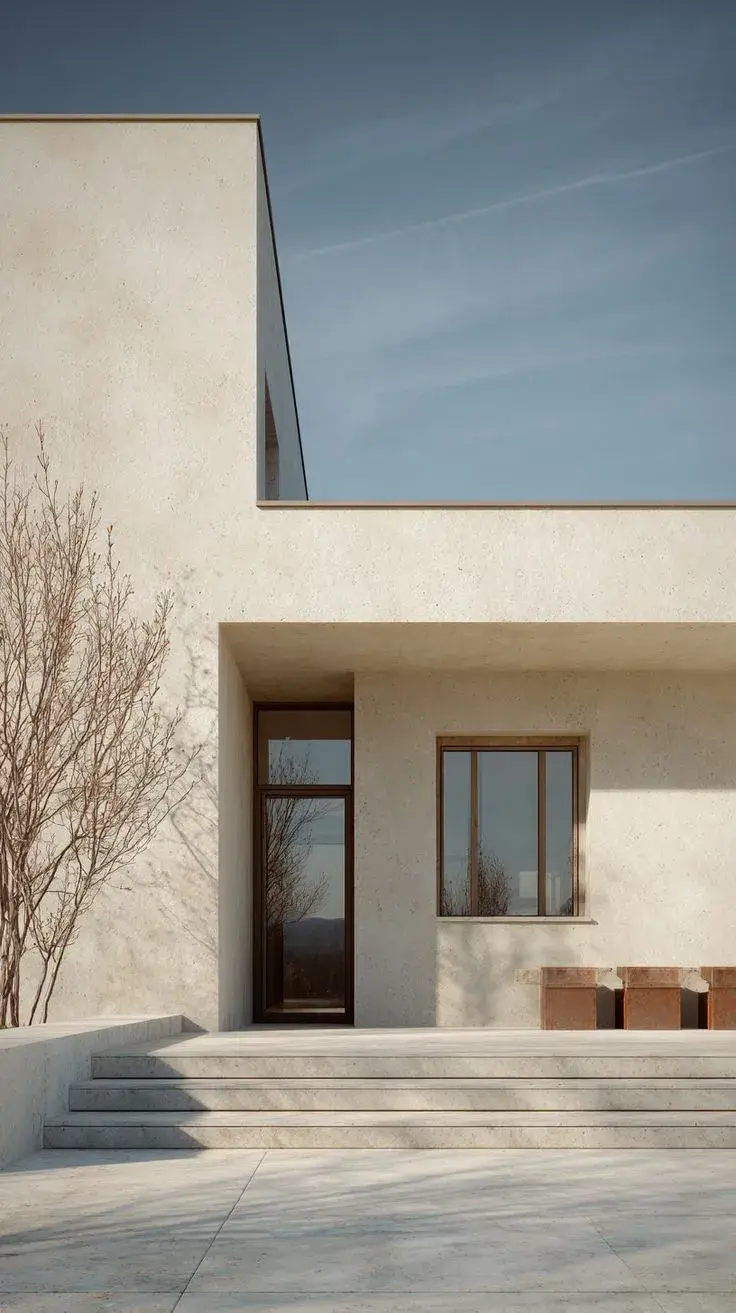
Exterior Facades
UV-stable aliphatic sealer rated for extreme heat. The same seamless mineral finish as interior walls — applied with the correct exterior specification.
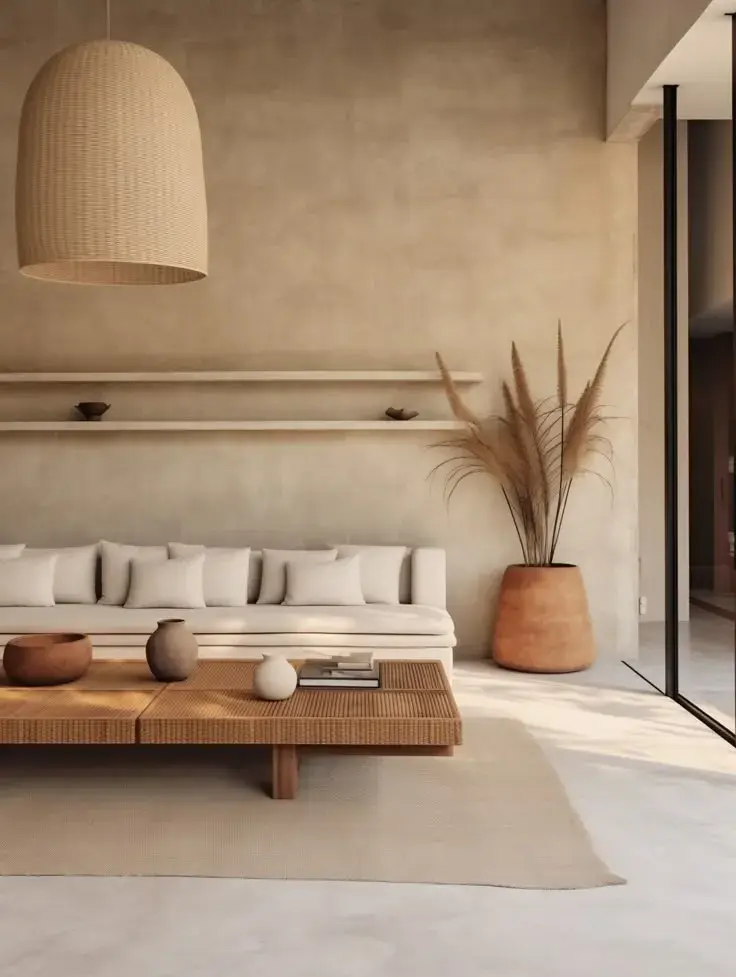
Curved Elements and Niches
Pillars, arches, recessed shelving, and curved wall elements. Microcement wraps complex geometry seamlessly — no joints, no tile cutting, no visible transitions.
What Microcement Walls Deliver
Hand-Troweled — No Two Walls the Same
Every wall is applied by hand on-site. The texture, trowel marks, and mineral variation are unique to each surface. Machine-made tiles and factory-painted surfaces cannot replicate this.
Colour That Does Not Fade
Mineral pigments are mixed through the full depth of the material — not applied as a surface coating. The colour does not fade, peel, or yellow. For exterior surfaces, the UV-stable sealer maintains the tone under direct sun.
Impact and Scuff Resistant
A 3mm hardened surface that resists the daily scuffs, furniture contact, and fingerprints that permanently mark standard plaster or paint. High-traffic corridors and living areas benefit most.
Wipe-Clean Surface
The sealed surface is non-porous. Dust, fingerprints, and marks wipe away with a damp cloth. No need for the re-painting cycles that painted surfaces require.
How Microcement Gets Applied to Walls
Wall installation uses a different technique and sequence from floor installation. Vertical surfaces require stiffer mixes, thinner passes, and different drying management — and the sealer specification varies significantly between interior and exterior applications.
Wall Assessment and Preparation
Existing paint, wallpaper, and loose plaster are assessed for bond strength and stability. Any sections that are hollow, cracking, or delaminating must be fixed before the microcement system goes on — the new coating will only be as stable as the substrate beneath it. Old gloss paint is sanded to remove shine and create a mechanical key. Water-based paints are assessed for adhesion and primed if bond strength is marginal.
Quartz Sand Primer
A quartz sand primer is applied to the prepared wall surface. The fine aggregate in the primer creates a mechanical grip surface — the microscopic texture that the microcement needs to bond to on smooth painted or plaster surfaces. Without this step, microcement on a smooth wall relies on chemical adhesion alone, which is insufficient for long-term performance. The primer dries to a slightly rough, sandpaper-like texture across the full wall.
Fiberglass Mesh in Base Coat
The first base coat is applied by trowel across the full wall surface. Alkali-resistant fiberglass mesh is pressed into this wet coat and fully embedded — no air pockets, no loose sections. This mesh layer absorbs the horizontal wall movement and minor settlement that would otherwise transmit as hairline cracks through the finish. On exterior facades, a heavier mesh specification is used to accommodate greater thermal movement.
Structural Base Coats
Two structural base coats are applied — each in thinner passes than floor applications to prevent sagging before the coat sets on the vertical surface. Each coat is dried fully and lightly sanded before the next goes on. Drying times on walls vary with ambient humidity and air circulation: enclosed rooms with limited ventilation dry slower than open spaces. The base coats establish the colour depth and structural foundation of the system.
Finish Coat
The finish coat is applied by hand trowel to create the chosen texture. On large wall surfaces, multiple applicators work in coordinated sections to maintain a wet edge across the full surface — any section that begins to dry while adjacent wet material is still being worked will show a join line after curing. The finish coat is the layer that creates the final texture: the trowel angle, pressure, and speed all determine whether the result is silk-smooth or deliberately marked.
Surface-Specific Sealer
Interior walls receive a breathable matte or satin polyurethane sealer — the sheen level chosen by the client. Exterior facades and any walls in wet-adjacent zones receive an aliphatic polyurethane sealer rated for UV exposure and sustained heat. The sealer specification is not interchangeable between interior and exterior: using an interior sealer on a facade will yellow and degrade. Two to three coats are applied, each allowed to dry fully before the next.
Microcement Walls — Questions Answered
Yes, provided the paint is firmly adhered and not heavily glossed. The wall is sanded to remove any gloss and a quartz sand primer is applied to create a mechanical key. This allows the microcement to bond permanently to the smooth drywall without relying on chemical adhesion alone. Loose, flaking, or heavily water-damaged paint must be removed before priming.
Not with the correct sealer specification. Mineral pigments mixed through the microcement itself do not fade — they are not a surface coating that UV can strip away. The exterior aliphatic polyurethane sealer is UV-stable and rated for sustained heat, preventing the yellowing that causes standard paint and interior sealers to degrade on facades. The two together — mineral pigment plus UV-stable sealer — maintain colour on exterior surfaces.
Significantly. Microcement is a 3mm hardened mineral surface — structurally different from gypsum plaster or paint film. It is more resistant to daily scuffs, impact from furniture, and fingerprints than any paint or plaster finish. In high-traffic areas — corridors, hallways, children's rooms — the difference in durability is substantial over time.
Alkali-resistant fiberglass mesh is embedded into the base coat during installation. The mesh absorbs the minor horizontal movement and settlement that causes hairline cracks in plaster and paint. Correctly installed with mesh fully embedded, microcement walls do not develop the progressive cracking cycle that painted or plastered walls show over time.
This is one of the main advantages of microcement over tile on walls. Applied in a fluid state by hand, it follows any geometry — curved pillars, arched openings, recessed shelving, and irregular wall shapes all covered in continuous material with no joints or tile cutting visible at transitions.
Wipe with a damp cloth and mild detergent. The sealed surface is non-porous — dust and fingerprints wipe away without staining the material. Avoid abrasive cleaning pads and acidic cleaners. For exterior facades, rinse with water periodically to remove dust accumulation.
Every 5 to 7 years for interior walls with normal use. Exterior facades and walls in humid environments every 3 to 4 years. A sealer refresh restores surface protection without touching the microcement — a professional half-day job that extends the system's performance indefinitely.
Send Us a Photo of Your Wall. We Will Tell You What Is Possible.
WhatsApp us a photo of the wall or facade you want to transform and tell us what you are thinking. You will get an honest assessment: whether microcement is the right finish for that surface, what preparation it needs, and what it will cost.